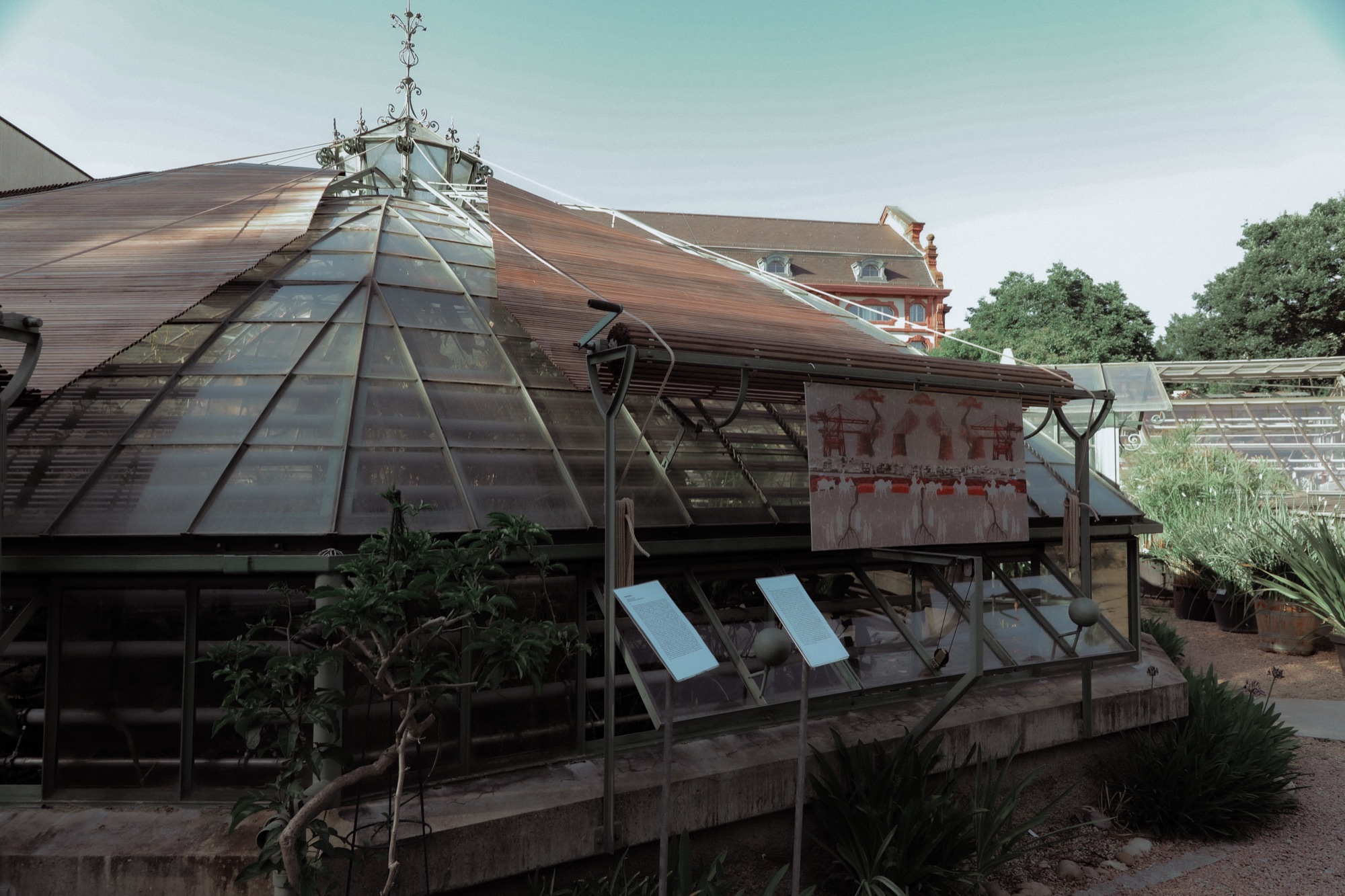
About Cora
Cora is a non-profit that dedicates its resources and know-how to facilitating institutional transformation through project-based initiatives and collaborations with private companies and public institutions.
The association aims to promote the interplay between the cultural, economic, and social responsibility sectors. By including these three areas, we aim to develop an approach to cultural entrepreneurship that holistically pursues progress and prosperity while considering their impact on people, the planet, and associated responsibilities.
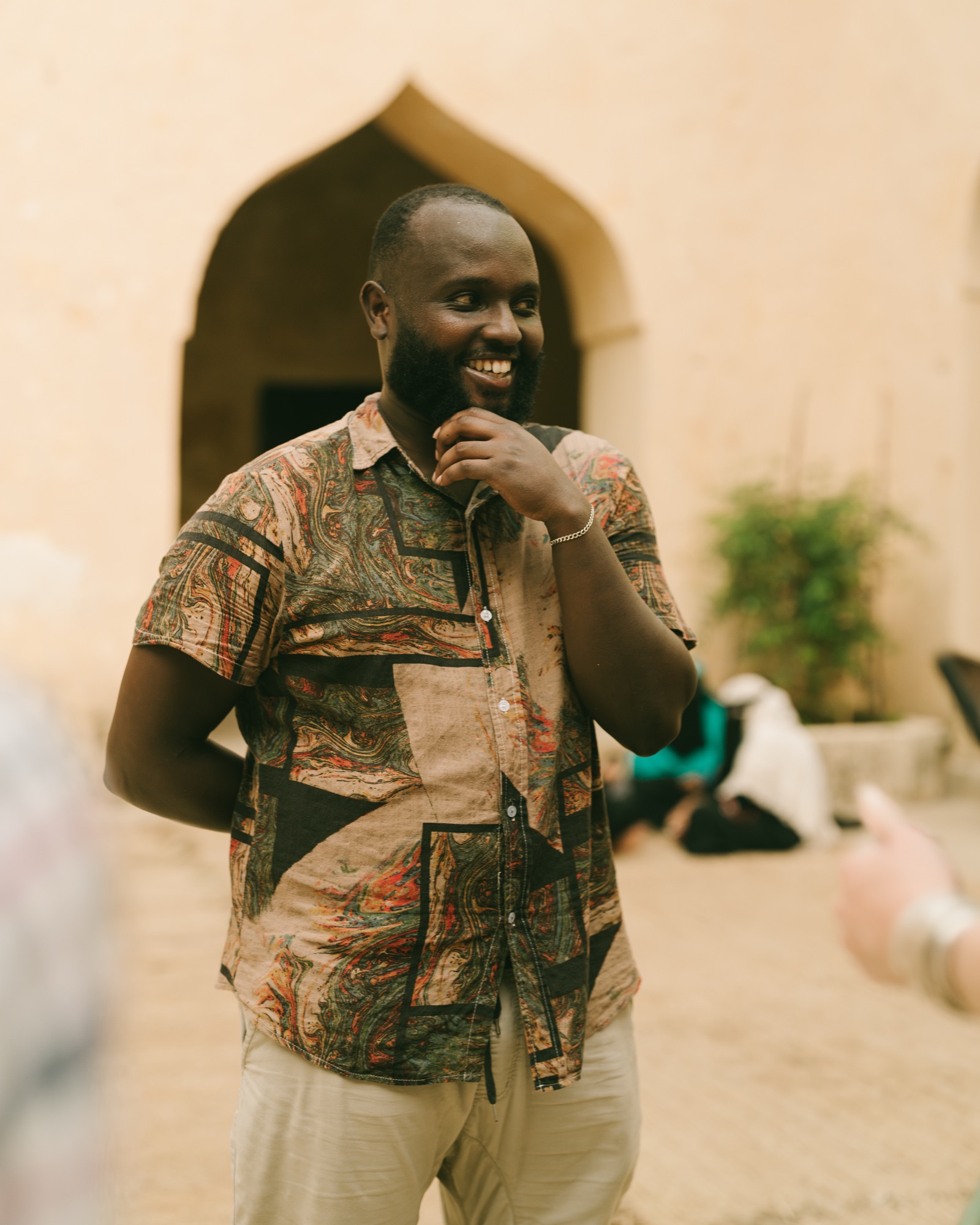
Lamu, Kenya.
Approach
Our approach is based on three central pillars, which together create fertile ground for the development of new forms of co-creation and knowledge-based publishing, enabling shared experiences to stop the fragmentation of our societies and communities.
Level 1Research
We follow how technology and society are changing, and turn what we learn into questions, papers and new formats.
Through research, we drive innovation and set new impulses.
Area of activityEducate
Sharing knowledge, fostering talents.
Through various phases of building awareness or facilitating education programs, we offer resources for personal and professional growth.
Level 2Platform
We create formats that bring together people, disciplines and milieus that rarely meet, and open new ways in.
Our network of national and global trailblazers drive ideas forward through co-creation and cooperation.
Area of activityPublish
Through our publications we distribute key findings and share our knowledge on a large scale.
Level 3Facilitate
With institutions, companies and public partners we turn ideas into projects, and see them through.
As pioneers, we support the implementation, from idea to reality.
Area of activityEnable
Providing a fertile environment of resources and infrastructure to execute new ideas and drive positive change.
Cultural Entrepreneurship
With the approach of Cultural Entrepreneurship (4 P's: People, Planet, Profit, and Purpose), we take all aspects of value creation into account in our actions and aim to develop a veritable solution approach for global challenges.
People
Open a name to read more.
Board
Jannik Roth, born 1988, studied economics at the University of Basel, where he received a solid academic foundation. Combining this background with his entrepreneurial spirit, he completed a Bachelor in Process Design at the HGK FHNW.
During his three-year journey in process design studies at the HGK, Jannik Roth dedicated a research phase to the question of how digital transformation influences our cultural frameworks and as a result developed a holistic activation concept that aims to actively engage with a specific target group through a multi-sensory event strategy.
Kevin Rodriguez is a creative director and executive producer based in Basel, Switzerland. He has co-initiated hybrid cultural formats in collaboration with institutions such as the University of Basel, the FHNW Life Sciences, and international partners.
Parallel to this, he works under his studio name Star of Persia, an artistic platform for authored creative direction, music development, and cultural production. His work spans narrative campaigns, music supervision, and visual storytelling across commissioned and independent projects.
He began his career in film, with early works shown internationally, before gradually shifting into music and visual culture. His creative direction evolved through long-term collaborations with artists and curators and includes projects such as ON, a sound and visual intervention co-directed at Kunstmuseum Basel.
Nora Naji holds a PhD in Political Science from the Graduate School of Social Sciences at the University of Basel. She earned her BA in International Relations from the University of Geneva and an MA in Culture and Politics from Leiden University in the Netherlands. Before joining the Gender, War and Security Research Group, she worked as a Junior Project Manager at swissnex San Francisco. She also gained professional experience in the human and social sciences at UNESCO in Paris and at a human rights organization in Amman. Her research interests include peacebuilding and human security, gender and postcolonial feminism, and humanitarian innovation and design. Her doctoral research, «Commodifying peace: Intimate warfare and prevention economies in Kenya», looks at how programmes to prevent violent extremism work on the ground.
Tabea Zwimpfer works in change management. Before that she spent more than five years as a consultant at UNEP in Nairobi on marine litter and plastic pollution, and in 2016 she co-founded the music festival The Sound Social in Geneva. She studied International Relations in Geneva and International Development Studies in Amsterdam.
Jakob Heval Kaya, born 1987, is a successful IT entrepreneur with Kurdish-Swiss roots. Besides his passion for technology and entrepreneurship, Jakob shares a deep passion for music. He studied music and media arts at the University of the Arts in Bern, in addition to his preliminary studies at the Basel Music Academy, before focusing on his entrepreneurial career. In addition to his business activities, Jakob is also involved in politics and is co-president of a cantonal group for economy and finance in Basel.
Advisory Board
Anil Sethi is a serial entrepreneur, author and teacher. In 2005 he founded Flisom, a spin-off of ETH Zurich, and went on to co-found further technology start-ups in Switzerland. He has taught entrepreneurship at ETH Zurich as entrepreneur in residence and external lecturer, and wrote «From Science to Startup» (Springer, 2016).
Michael Schindhelm is a writer, filmmaker and curator, born in 1960 in Eisenach and based in Ticino. He directed Theater Basel and the Berlin Opera Foundation, was cultural director in Dubai and advised on the West Kowloon Cultural District in Hong Kong. He spoke at the launch of the Cora Institute, on «Culture Plasma» and how the digital age reshapes cultural institutions.
András Szántó is a cultural strategist and author based in New York. Born in Budapest, he holds a PhD in sociology from Columbia University. He advises museums, foundations, educational institutions and companies on cultural strategy, among them Art Basel. His books include «The Future of the Museum: 28 Dialogues» (2020) and «Imagining the Future Museum: 21 Dialogues with Architects» (2022).
Patronage
Urs Schnell directs Fondation SUISA, the music foundation of the Swiss authors’ society SUISA, which supports music creation across Switzerland.
Hans-Georg Hofmann has been Intendant of the Südwestdeutsche Philharmonie since 2024. Before that he was artistic director of the Sinfonieorchester Basel and, from 2002 to 2012, dramaturge and press spokesman of the Kammerorchester Basel.
Michael Hug is a member of the Grand Council of Basel-Stadt for the LDP, its vice-president (Statthalter) for 2026/27 and president of its building and planning committee. He is co-president of the Freiwillige Basler Denkmalpflege.
Robert Roth founded Weizenkorn in 1976, today one of the largest employers in Switzerland of young people with psychological difficulties. In 1999 he conceived the Job Factory in Basel, a social enterprise that trains young people without work, and he chairs its board. The Schwab Foundation names him a social entrepreneur.
David Burger is a lawyer and musician. He works at SONART – Musikschaffende Schweiz, co-founded MMF Suisse, and has been a member of the board of the Swiss Music Council since 2025.
Sanija Ameti is a lawyer and politician in Zurich, where she sits on the city council for the Green Liberal Party (GLP). She was co-president of the civic movement Operation Libero.
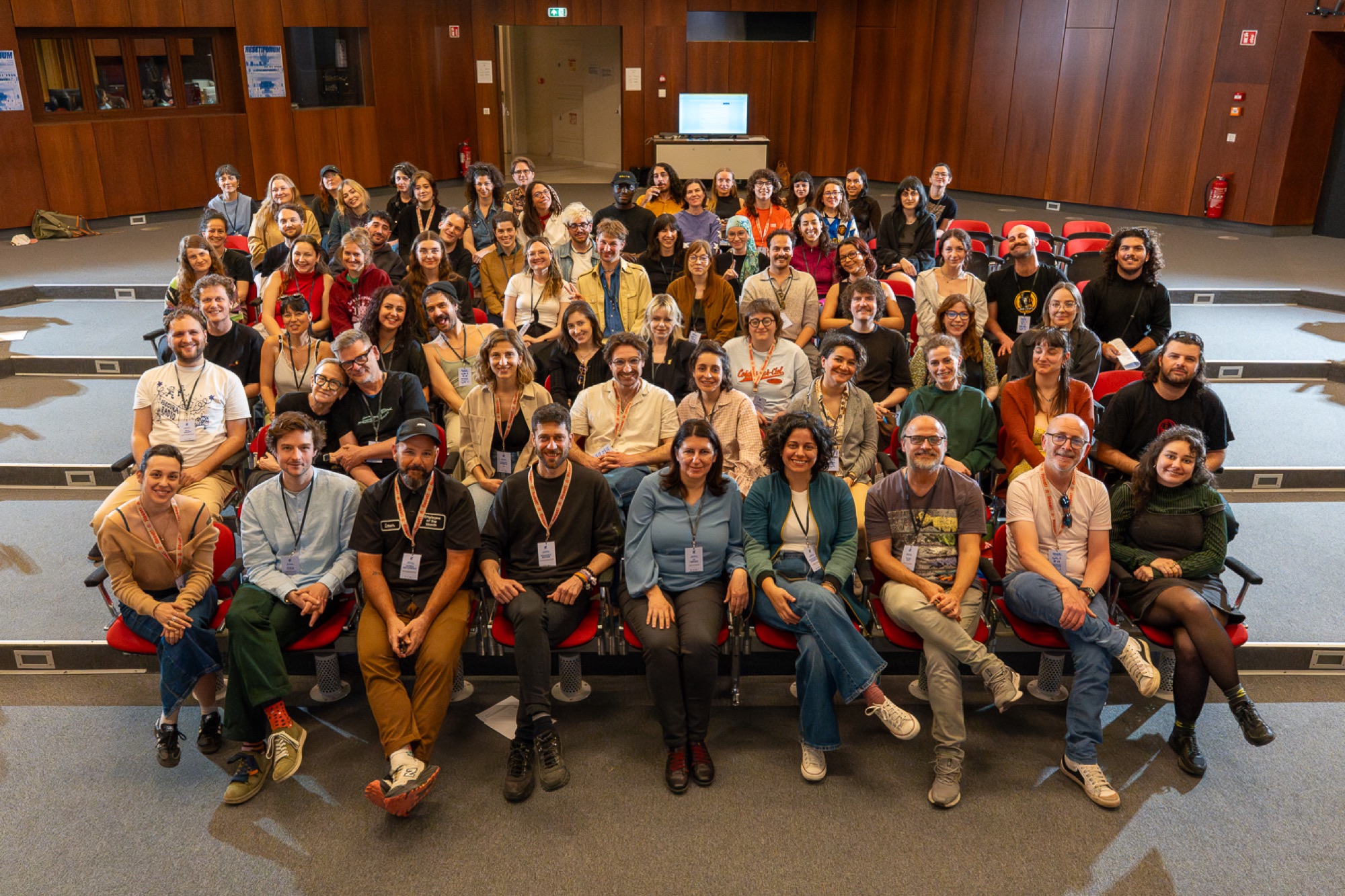
Reset Network General Assembly, Athens 2026. Photo: Sideris Nanoudis